3D SVG Shapes: Elevating Blog Graphics with 3D Special Character
As a digital publisher and blog designer, I have learned that the difference between a scroll-past and a click-through often lies in the subtle details of visual hierarchy. We spend hours crafting headlines and optimizing SEO, yet we sometimes neglect the graphical elements that anchor our brand identity. Recently, I integrated a new graphic design asset into my workflow: the 3D Special Character. This is not just another clipart pack; it is a strategic tool for modern editorial design.
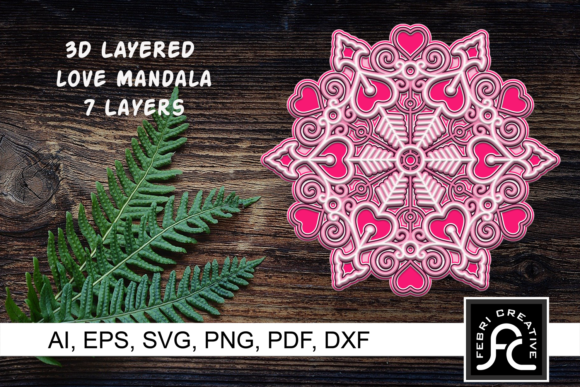
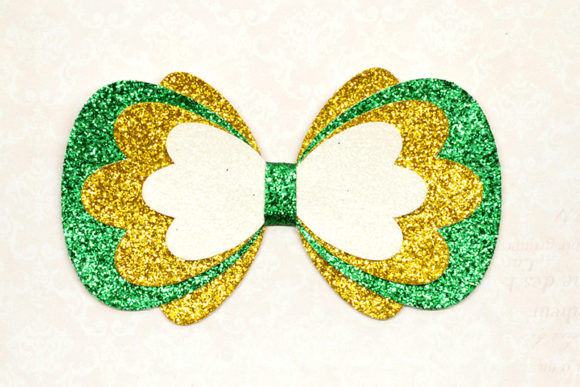
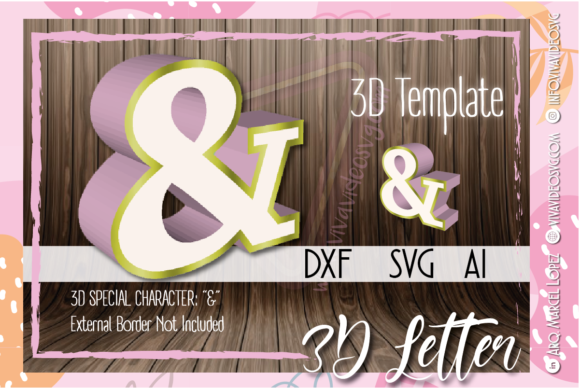
My first impression of this asset was its clean, structural integrity. The 3D Special Character brings a sense of depth and tactile quality to flat screens. It feels modern, slightly playful, yet professional enough for serious content niches like education, tech tutorials, or lifestyle blogging. It does not scream for attention with chaotic textures; instead, it relies on form and shadow to create interest. For publishers looking to refresh their web design without a complete rebrand, this type of digital download offers an immediate lift in perceived quality.
Transforming Editorial Layouts with Depth
In the world of content marketing, consistency is key. When I tested the 3D Special Character in real publishing scenarios, I found it particularly effective for breaking up text-heavy sections. Imagine a long-form guide on affiliate marketing. Instead of standard bullet points, using these 3D shapes as markers creates a unique visual hierarchy that guides the reader’s eye naturally down the page.
The asset shines in blog graphics and featured images. Because the files are provided in scalable formats, including 3D SVG, AI, and DXF, you maintain crisp edges regardless of size. This is crucial for retina displays and high-resolution Pinterest pin creation. I used the character as a focal point in a website header, pairing it with a bold sans-serif font. The result was a balanced composition that felt both artistic and functional. It supports the narrative without overpowering the headline, a common pitfall with overly decorative design assets.
Versatility Across Digital Channels
One of the strongest selling points of this digital product is its adaptability. As a small business owner, you need assets that work across multiple platforms. Here is how I deployed the 3D Special Character in my recent campaigns:
- Newsletter Headers: Placed beside the main title to add a pop of dimensionality to email previews.
- Lead Magnets: Used on the cover of a digital guide to make the PDF feel more premium and tangible.
- Social Media Graphics: Integrated into Instagram carousels to highlight key statistics, making the data feel more substantial.
- Canva Template: Uploaded the SVG directly into Canva to create reusable templates for my team, ensuring small business branding remains consistent.
The fact that the package includes a file in DXF format, one in SVG, and one in AI format means it is ready for both web and print. Whether you are creating a printable design for a workshop handout or a digital ad for Facebook, the vector nature of the file ensures no loss in quality. Note that this asset does not include texture; it is purely the character geometry. This is actually a benefit for designers who want full control over lighting and color to match their specific brand identity.
Strategic Placement and Performance
Where should you use this asset for maximum impact? I recommend focusing on high-visibility areas. Hero images on landing pages benefit greatly from the 3D effect, as it adds sophistication. Article thumbnails also see improved click-through rates when they feature distinct, recognizable shapes rather than generic stock photos. By establishing a consistent visual language with these Shapes, you improve category recognition. Readers begin to associate that specific 3D style with your authoritative voice.
However, caution is necessary. In commercial design, less is often more. Avoid using the 3D Special Character in small mobile thumbnails where detail gets lost. It can become visual noise rather than an accent. Similarly, be careful with text-heavy blog images. If the background is busy or low-contrast, the 3D form may not stand out. Always test your designs on actual devices. I previewed my graphics on both desktop and mobile, checking how the character interacted with serif, script, and handwritten fonts. It pairs surprisingly well with elegant serif fonts, creating a nice contrast between classical typography and modern geometry.
Technical Considerations for Publishers
From a technical standpoint, working with 3D SVG files is a dream for web performance. Unlike heavy PNGs or JPEGs, SVGs are lightweight and scale infinitely. This helps keep your page load times fast, which is critical for SEO and user experience. When I compressed the files for web use, the quality remained sharp. Remember, you will receive one compressed file containing the DXF, SVG, and AI formats. This streamlined delivery is typical of high-quality items found in a creative marketplace.
Before using any graphic design asset on monetized websites or affiliate pages, always confirm the commercial license terms. This asset is designed for professional use, allowing you to incorporate it into client work or paid products like eBooks and worksheets. Just ensure you are not reselling the raw file itself, but rather using it as part of a larger creative composition.
In conclusion, the 3D Special Character is more than just a decorative element. It is a versatile tool for enhancing editorial design and strengthening visual hierarchy. Whether you are designing a lead magnet, sprucing up your social media graphics, or refining your website header, this asset provides the polish needed to build reader trust. For bloggers and digital marketers aiming for a cohesive, modern aesthetic, integrating such precise design assets is a smart move toward a more professional online presence.