Review: Christmas Paper Lantern Series 0779 for Holiday Embroidery
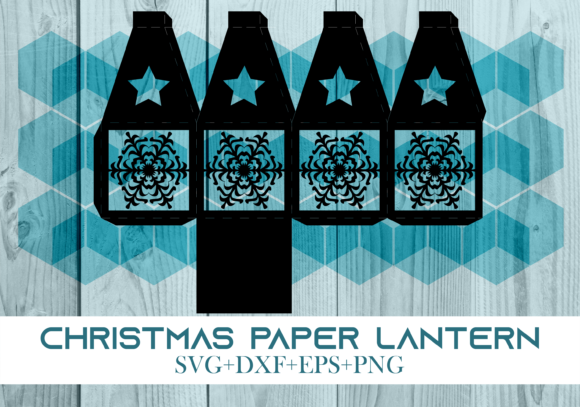
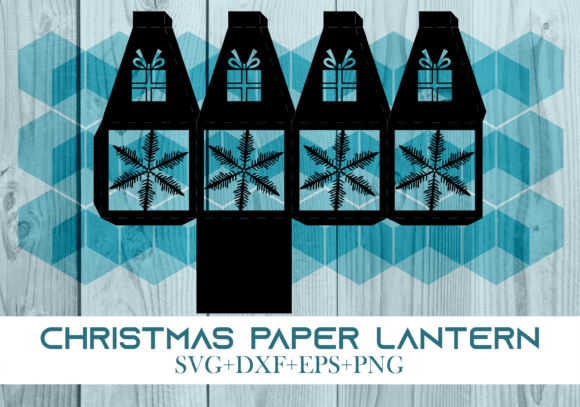
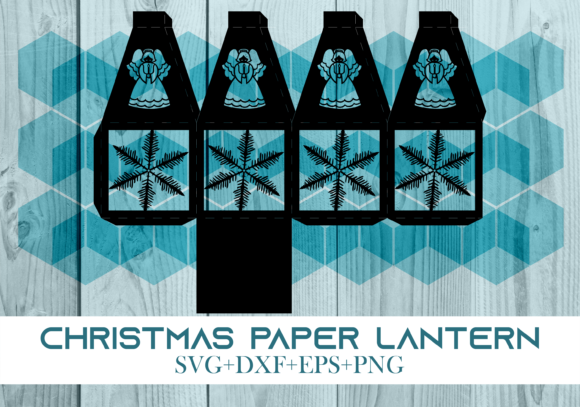
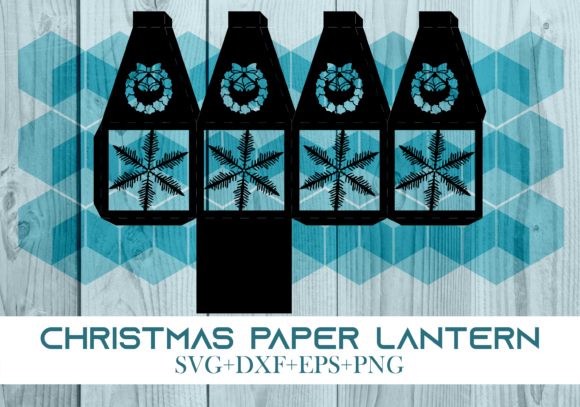
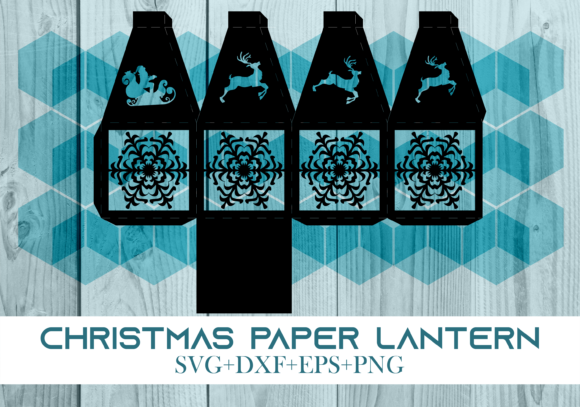
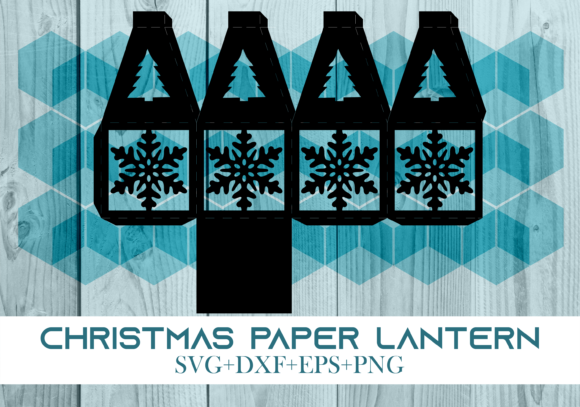
As a designer who has spent countless hours digitizing and testing machine embroidery design files, I approach every new asset with a critical eye. We are not just looking for pretty pictures; we are looking for stitchability, commercial viability, and aesthetic impact. Recently, I evaluated the Christmas Paper Lantern Series 0779, a digital asset that promises to bring a festive touch to holiday projects. While the product description categorizes it under 3D SVG and notes its suitability for paper crafts on an 8.5 x 11.7 sheet, my focus was on how this visual motif translates into the world of thread and fabric.
First Impressions and Visual Mood
The immediate appeal of the Christmas Paper Lantern Series 0779 lies in its structural elegance. Even before converting the concept into stitches, the design evokes a sense of warm, nostalgic holiday charm. The lantern shape is classic, suggesting a soft glow that fits perfectly within the holiday embroidery niche. For a designer, this is crucial because the mood of the design dictates the final product’s emotional resonance with the buyer.
When I visualize this motif as an embroidery file, I see potential for clean lines and balanced negative space. The geometry of a paper lantern typically involves vertical ribs and a central light source, which translates well to running stitch outlines or delicate satin stitch borders. The simplicity of the form means it is less likely to suffer from registration issues compared to highly complex, dense illustrations. This makes it a strong candidate for both novice home embroiderers and seasoned Etsy sellers looking for reliable design assets.
Real-World Application: From Concept to Stitch
To truly test the value of any design, I imagine it in a real-life production scenario. Let’s consider a custom order for a boutique client wanting a set of personalized kitchen towels for holiday gifts. The Christmas Paper Lantern Series 0779 would sit beautifully on the corner of a high-quality linen towel. Here, the design acts as a subtle accent rather than an overwhelming centerpiece.
In this context, the design’s clarity is paramount. If I were stitching this onto a textured fabric like waffle weave or terry cloth, I would need to ensure the lines remain distinct. A fill stitch might be too heavy for such a delicate motif, so I would likely opt for a combination of thin satin columns for the lantern frame and a sparse running stitch for the glow effect. This approach maintains the airy feel of the original paper lantern concept while ensuring durability through multiple washes.
Another viable application is sweatshirt embroidery. Placing this lantern on the left chest of a neutral-toned hoodie creates a sophisticated, understated look. It appeals to customers who want custom apparel that feels grown-up and chic, rather than childish or overly busy. For a small shop product, this versatility is a major selling point. It allows the maker to offer the same design across different categories, from tote bag design options to embroidered patch creations.
Navigating Fabric and Hoop Constraints
While the design is visually appealing, practical execution requires careful planning. One must consider the hoop size relative to the detail level. Although the source material mentions fitting on an 8.5 x 11.7 sheet, embroidery hoops vary significantly. If you are working with a small 4x4 hoop, you may need to simplify the design elements to prevent thread breaks or bird nests. Always check the specific dimensions of the digitized file before loading it onto your machine.
Fabric choice also plays a critical role. On dark fabrics, the lantern motif needs high-contrast thread colors to pop. A metallic gold or bright white thread against navy or black cotton can create a stunning luminous effect. However, on stretchy fabrics like jersey knits used for baby clothes, stabilization is non-negotiable. Without a proper cut-away or tear-away stabilizer, the lantern’s straight lines could distort, ruining the geometric precision that defines the look.
Be cautious with very thin or slippery fabrics. The density of the stitches must be balanced. If the stitch density is too high, the fabric may pucker. If it is too low, the backing may show through. I recommend testing the design on scrap fabric first, ideally in both light and dark variations, to gauge how the thread interacts with the material texture.
Commercial Viability and Brand Consistency
For craft business owners, the question is always about perceived value. Does the Christmas Paper Lantern Series 0779 elevate the finished product? In my assessment, yes. Its clean lines convey professionalism. When customers see crisp, well-executed stitching, their trust in the brand increases. This design supports brand consistency because it is versatile enough to fit into various color palettes without losing its identity.
Moreover, this motif works well for printable mockup previews. Before committing to bulk production, you can digitally place the design on product images to gauge customer interest. This is especially useful for digital embroidery file sellers who need to showcase how the design looks on different items like pillow covers or aprons.
Practical Designer Notes
Before integrating this design into your workflow, keep these technical checks in mind:
- Verify Licensing: Since the source describes a 3D SVG for paper crafts, ensure you have the correct license for commercial embroidery use. Do not assume a paper craft license covers stitched goods.
- Check File Formats: Confirm that the embroidery file is available in formats compatible with your machine (such as PES, DST, or JEF).
- Test Stitch Density: Run a test stitch-out to ensure the density is appropriate for your chosen fabric. Adjust tension if necessary.
- Color Contrast: Plan your thread colors carefully. The lantern effect relies on contrast to simulate light.
- Stabilizer Selection: Match the stabilizer to the fabric weight. Heavier fabrics may need less support, while knits require robust stabilization.
In conclusion, the Christmas Paper Lantern Series 0779 offers a refined aesthetic that translates well from paper concepts to textile art. With proper technical preparation and attention to detail, it can become a staple in your holiday embroidery collection, adding value to both personalized gift items and broader commercial embroidery lines. Always prioritize quality control and testing to ensure every stitch meets the high standards your customers expect.