Reviewing Christmas Paper Lantern Series 0787 for Holiday Projects
As a designer who spends more time staring at stitch maps than actual fabric, I have learned that not every festive graphic translates well into thread. We often see beautiful digital assets that look stunning on a screen but turn into a tangled mess under the needle. This week, I took a close look at Christmas Paper Lantern Series 0787, evaluating it not just as a pretty picture, but as a functional asset for real-world embroidery projects. My goal was to determine if this design holds up under the scrutiny of a professional hoop and whether it deserves a spot in your holiday production line.
First Impressions and Visual Mood
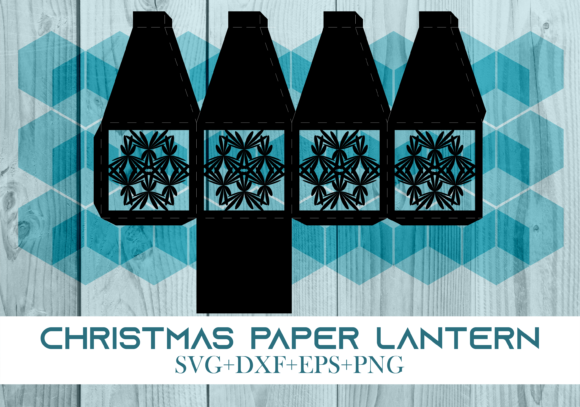
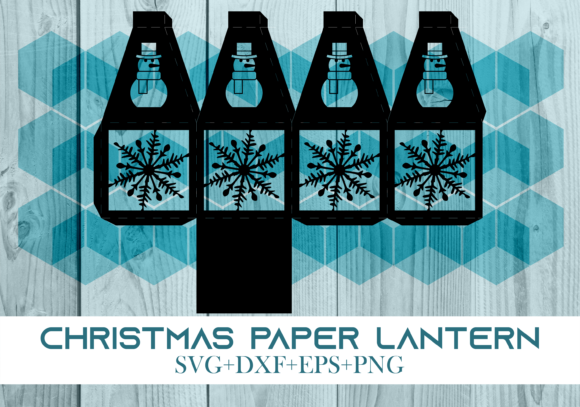
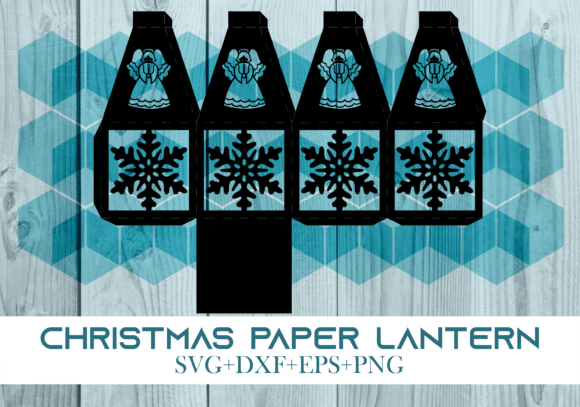
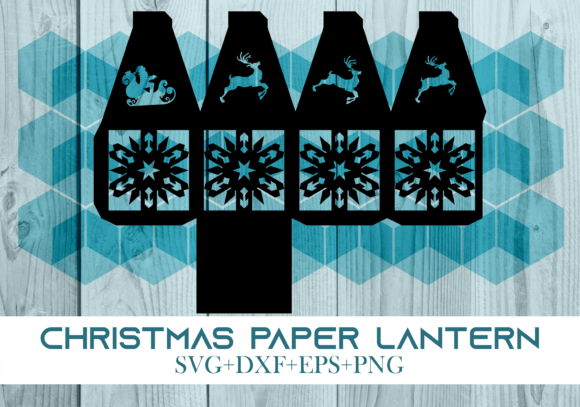
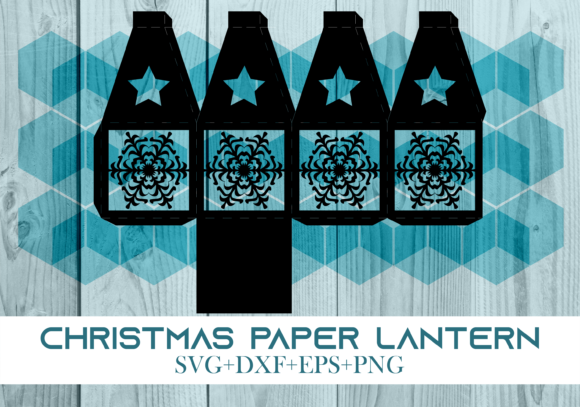
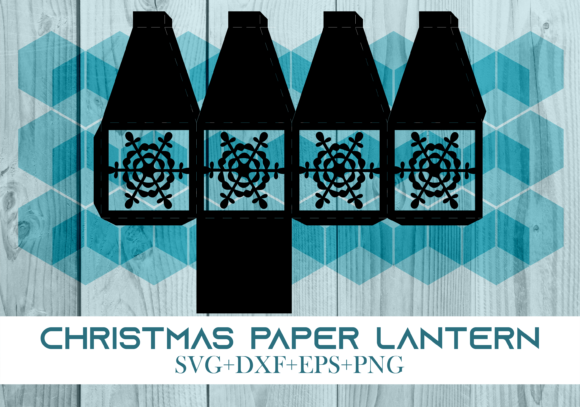
The first thing that strikes you about Christmas Paper Lantern Series 0787 is its delicate balance between structure and whimsy. The concept of a paper lantern inherently suggests fragility and light, which is a challenging aesthetic to capture with the heaviness of embroidery thread. However, the layout here feels intentional. It does not rely on overly dense fill stitches that might weigh down lightweight fabrics. Instead, it appears to leverage clean lines and open spaces, mimicking the cut-out nature of traditional paper crafts.
The mood is distinctly cozy and nostalgic. It evokes images of winter evenings, warm tea, and soft glowing lights. For an embroidery designer, this emotional resonance is crucial. When a customer buys a handmade product, they are buying a feeling. This design fits naturally into projects meant to convey warmth and tradition. It is not loud or aggressive; it is inviting. This makes it an excellent candidate for home decor items where subtlety is preferred over flashiness.
Real-World Application: The Tote Bag Test
To truly understand the viability of this design, I imagined applying it to a custom embroidered tote bag. This is a staple item for many Etsy sellers and small shop owners during the holiday season. A canvas tote provides a stable, medium-weight surface that can handle moderate stitch density without puckering excessively.
In this scenario, Christmas Paper Lantern Series 0787 would serve as a central focal point. I would recommend using a contrasting thread color against a natural or cream-colored canvas to highlight the intricate details of the lantern structure. If you were to use a dark navy or forest green bag, switching to metallic gold or bright white thread could create a striking visual pop. The design’s geometry allows for clear definition, ensuring that the lantern shape remains recognizable even from a distance. This clarity is vital for retail environments, such as craft fairs, where buyers scan tables quickly.
Beyond tote bags, this design translates well to sweatshirt embroidery. Placing it on the left chest area of a high-quality fleece hoodie creates a sophisticated, boutique-style look. It avoids the childish tropes often associated with holiday apparel, making it appealing to adult consumers looking for subtle seasonal style. For baby embroidery, however, caution is advised. While the theme is gentle, the detail level might be too fine for tiny garments unless scaled down significantly, which could compromise stitch integrity.
Technical Considerations for Stitching
When working with any new machine embroidery design, technical due diligence is non-negotiable. Although the product description notes that this lantern is designed to fit on an 8.5 x 11.7 sheet, suggesting a vertical orientation, we must consider how this translates to standard hoop sizes. Before loading your file, verify the exact dimensions provided in the download package. If the design is tall and narrow, it may fit comfortably in a 5x7 hoop, but it might be tight in a 4x4. Always check the specific hoop size compatibility listed in your digital embroidery file documentation.
Stitch density is another critical factor. Paper lanterns imply lightness. If the design uses heavy satin stitch borders or dense fill stitch areas, it could distort thin fabrics like cotton voile or linen. I recommend testing the design on scrap fabric first. Pay close attention to the corners and curves of the lantern shape. These are common trouble spots where threads can bunch up if the tension is not adjusted correctly. Using a proper stabilizer is essential here. For woven fabrics like towel material or apron cotton, a cut-away stabilizer will provide the necessary support to keep the design crisp after washing.
Thread choice plays a massive role in the final outcome. Because this is a 3D SVG inspired concept, the illusion of depth is key. Using variegated threads can add dimension to the lantern body, simulating the way light filters through paper. Alternatively, a matte rayon thread might better mimic the texture of actual paper, while polyester offers durability for items that will see frequent use, such as kitchen towels or placemats.
Navigating Fabric and Surface Challenges
Not every surface is friendly to detailed designs. If you are planning to use Christmas Paper Lantern Series 0787 on stretchy fabrics like jersey knits for t-shirts, you must use a stabilizer that prevents stretching during stitching. Without it, the circular or curved elements of the lantern may become oval or distorted. Similarly, textured fabrics like terry cloth or heavy wool can obscure fine details. In these cases, consider simplifying the color palette or increasing the scale of the design slightly to ensure visibility.
Dark fabrics present their own challenge. If you are embroidering on black or deep charcoal, ensure your thread colors have enough contrast. A dark red lantern on a black shirt will disappear. Opt for bright whites, silvers, or vibrant greens to maintain visual appeal. Additionally, be mindful of curved surfaces like caps. Embroidering a large, detailed lantern on the front panel of a baseball cap can be tricky due to the curvature. It may require specialized hooping techniques or a smaller version of the design to prevent distortion.
Commercial Viability and Brand Consistency
For craft business owners and commercial embroidery professionals, the value of a design lies in its versatility and marketability. Christmas Paper Lantern Series 0787 offers a refined aesthetic that can elevate brand perception. It moves away from generic clip-art styles, offering a more curated look that appeals to buyers seeking quality handmade products. Whether you are creating personalized gifts for clients or stocking your Etsy shop with holiday inventory, this design supports a narrative of thoughtfulness and craftsmanship.
However, always confirm licensing terms before selling finished items or digital products. While many designers allow commercial use of finished physical goods, restrictions may apply to redistributing the digital embroidery file itself. Check the included license agreement carefully. Furthermore, when creating printable mockups or digital previews for your online store, ensure that the representation of the stitched product is accurate. Misleading images can lead to customer dissatisfaction and returns.
Final Designer Notes
Before committing to a full production run, take these practical steps:
- Test on Scrap: Always stitch out a sample on the same fabric type you intend to use for the final product.
- Check Contrast: View your design in black and white to ensure the shapes are distinct and not blending together.
- Verify Details: Zoom in on the digital file to inspect tiny details that might not stitch out cleanly at smaller scales.
- Stabilizer Selection: Match your stabilizer to your fabric weight and stretch characteristics.
- License Confirmation: Double-check usage rights for commercial sales to protect your business.
In conclusion, Christmas Paper Lantern Series 0787 is a promising addition to your holiday design library. It offers a blend of traditional charm and modern simplicity that works well across various applications, from home decor to apparel. By respecting the technical limitations of embroidery and choosing the right materials, you can transform this digital asset into a tangible, high-value product that customers will cherish. Happy stitching.