Reviewing Christmas Paper Lantern Series 0831 for Embroidery
As a designer who has spent countless hours digitizing and testing machine embroidery design files, I approach every new asset with a mix of curiosity and skepticism. We have all been there: downloading a file that looks stunning on the screen but turns into a bird’s nest of thread breaks and puckering on the fabric. When I first encountered Christmas Paper Lantern Series 0831, my initial reaction was driven by its visual charm. However, my professional instinct immediately shifted to practical application. How does this translate from a digital concept to a tangible, stitched reality?
The product description notes that this lantern is designed to fit on an 8.5 x 11.7 sheet, suggesting a layout optimized for standard printing or cutting. For us in the embroidery world, this dimensional context is crucial. It tells me the design likely has a vertical orientation and a moderate scale, which influences how I plan my hoop placement and stabilizer choice. While the source mentions it as a 3D SVG, which is typically used for paper crafts or laser cutting, adapting such aesthetics into embroidery requires a keen eye for detail. The challenge lies in replicating that intricate, layered paper-cut look using thread, satin stitch, and fill stitch techniques without losing clarity.
First Impressions and Visual Mood
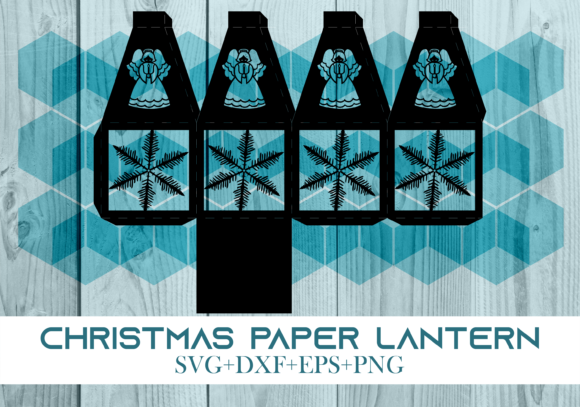
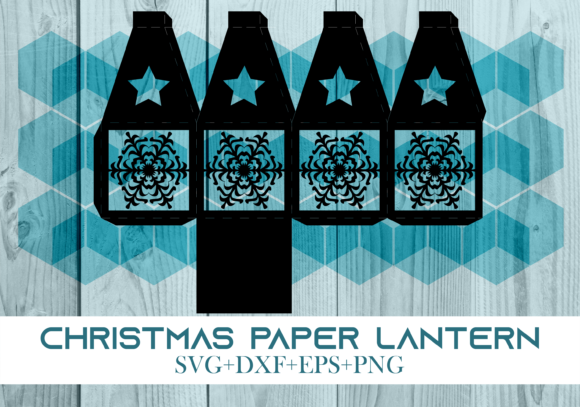
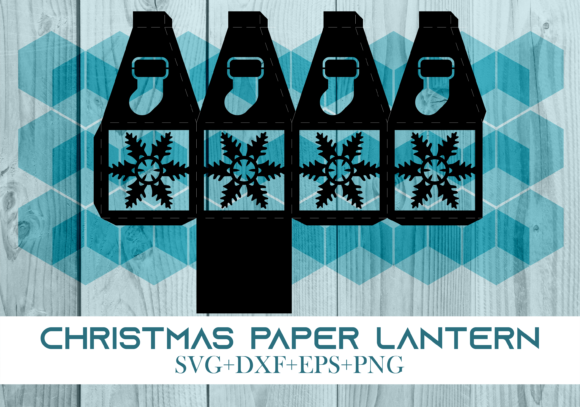
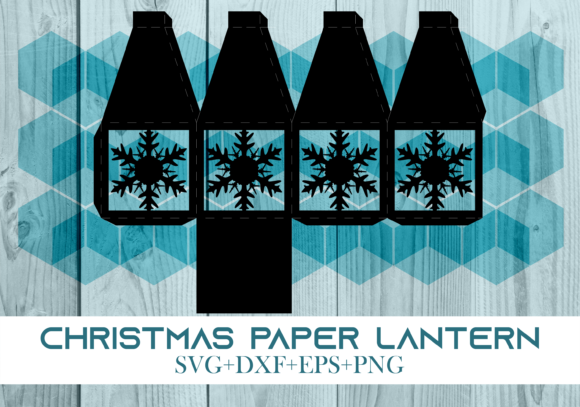
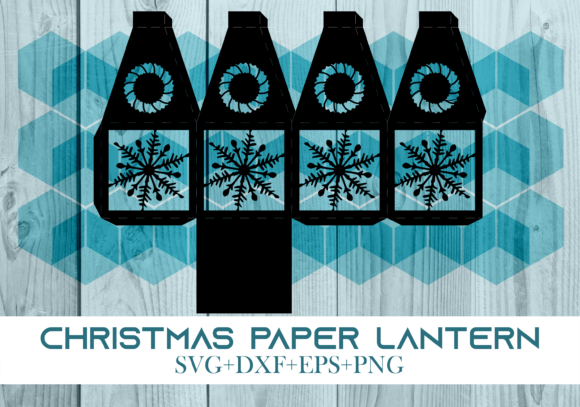
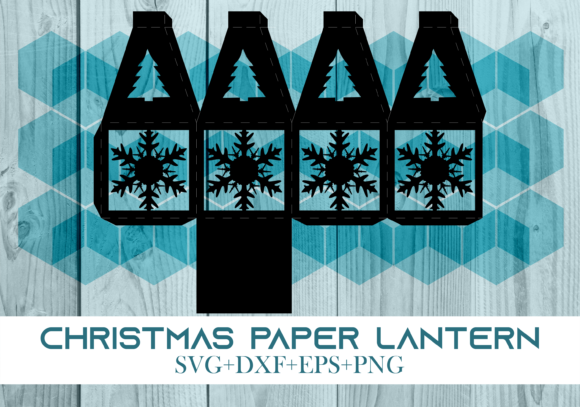
The immediate mood created by Christmas Paper Lantern Series 0831 is one of warm, nostalgic holiday cheer. The shape suggests a traditional lantern, evoking images of candlelight glowing through snow-covered windows. For a designer, this visual personality is gold. It is not just a generic snowflake; it has structure and narrative. This makes it an excellent candidate for projects where emotional connection matters, such as personalized gifts or boutique home decor. The level of detail appears balanced—complex enough to be interesting, but hopefully not so dense that it becomes a stitching nightmare on thinner fabrics.
When evaluating any embroidery file, I look for how the lines flow. In a lantern design, you expect vertical ribs and perhaps some decorative cut-outs. If these are translated into embroidery, they will likely rely on precise running stitch outlines or narrow satin columns. The success of the design hinges on whether these elements remain distinct after stitching. A muddy or overly dense design will lose the delicate "paper" aesthetic that makes the original concept appealing.
Real-World Application: The Tote Bag Test
To truly understand the value of Christmas Paper Lantern Series 0831, I imagined a real-life scenario. Suppose I am preparing a custom order for a local boutique selling holiday-themed tote bag design options. The client wants something elegant, not kitschy. This lantern design fits that brief perfectly. I would place it centrally on a heavy canvas tote, using a contrasting thread color like deep red or forest green against a natural beige fabric.
In this context, the design acts as a focal point. Because lanterns are inherently symmetrical and structured, they sit well on flat surfaces. However, I would be cautious about using it on curved surfaces like caps or hats unless the design size is significantly reduced. On a cap, the curvature could distort the vertical lines of the lantern, making it look warped. For a sweatshirt embroidery project, however, it could work beautifully on the left chest area, provided the stitch density is adjusted to prevent the fabric from pulling or puckering.
Fabric and Technical Considerations
One of the most critical aspects of using a design like this is understanding its interaction with fabric texture. If you are working with a textured towel or a fuzzy fleece, fine details can get lost. The lantern’s intricate parts might blend into the pile of the fabric. In such cases, I recommend using a higher contrast thread color or adding a subtle backing to make the design pop. For smooth fabrics like cotton poplin or polyester blends, the design should shine, offering crisp lines and clear definition.
Another concern is the hoop size. Since the original specification mentions an 8.5 x 11.7 sheet, the design is likely intended for a medium to large hoop. If you are working with a smaller 4x4 hoop, you may need to split the design or choose a simplified version if available. Always check the actual dimensions of the digital embroidery file before loading it into your machine. Never assume the scale based on the preview image alone.
Stabilizer choice is non-negotiable here. For a design with potential dense areas, a cut-away stabilizer is often safer than tear-away, especially for items that will be washed frequently, like baby embroidery items or kitchen towels. A tear-away might leave residue or fail to support the stitches over time, leading to distortion. For a personalized gift like a pillow cover, you want the design to remain pristine after years of use.
Commercial Viability for Etsy Sellers
For Etsy seller and small shop owners, Christmas Paper Lantern Series 0831 offers versatility. It can be marketed as part of a holiday collection, paired with other winter motifs. The key to successful sales is presentation. Use high-quality printable mockup images to show the design on various products. Show it on a linen apron, a denim jacket, and a plush blanket. This helps customers visualize the finished product and increases buyer engagement.
However, transparency is vital. If you are selling custom apparel or embroidered patch items using this design, ensure you have the correct commercial license. The product description mentions "Download pa," which is incomplete, so you must verify the licensing terms directly with the provider. Never assume a file is free for commercial use. Protecting your craft business means respecting intellectual property and ensuring your design assets are legally cleared for sale.
Practical Designer Notes
Before committing to a full production run, always test the design on scrap fabric identical to your final material. Check for thread breaks, especially in tight corners or dense fill areas. Review the thread colors in natural light to ensure they complement the fabric tone. If the design includes tiny lettering or very fine details, consider simplifying it or increasing the stitch length slightly to improve durability.
Also, consider the washing instructions for the final item. If it is a holiday embroidery piece meant to be stored and reused annually, ensure the threads are colorfast and the stabilizer is secure. A well-executed design builds customer trust and enhances your brand’s reputation for quality. Whether you are creating commercial embroidery for corporate gifts or handmade items for a craft fair, attention to these technical details separates amateur work from professional craftsmanship.
In conclusion, Christmas Paper Lantern Series 0831 presents a charming aesthetic with strong potential for various embroidery project types. Its success depends on careful technical execution, appropriate fabric selection, and thorough testing. By treating it with the respect a detailed design deserves, you can create stunning, high-value products that delight customers and elevate your portfolio.